Vietnam · Laos · Cambodia
Expert connections to local tour operators, hotels, restaurants and cruises. Unlock 5–12% extra value with our Final Bargain Advantage.


Rising 1,000 to 1,350 meters above sea level, the Bolaven Plateau is a fertile volcanic region in southern Laos. Its cool climate, rich soil, and abundant rainfall create ideal conditions for coffee, tea, and cardamom. Beyond agriculture, the plateau is dotted with spectacular waterfalls, home to ethnic minority villages, and crisscrossed by trekking and motorbike routes that reward adventurers with misty vistas and genuine encounters. This is Laos off the beaten path – raw, green, and unforgettable.
The Bolaven Plateau (Phou Phieng Bolaven) was shaped by ancient volcanic activity, leaving behind basalt soils that are exceptionally rich in nutrients. The plateau spans parts of Champasak, Sekong, and Attapeu provinces, with an average elevation of 1,200 meters. Thanks to the altitude, temperatures rarely exceed 28°C (82°F), and the rainy season (May–October) brings dramatic thunderstorms and lush vegetation. The dry season (November–April) offers clear skies, cool mornings, and perfect conditions for trekking and waterfall visits. The plateau’s name is derived from the Laven ethnic group, one of several Mon-Khmer-speaking communities that have lived here for centuries.
The French introduced coffee to the Bolaven Plateau in the early 20th century, and today it produces 95% of Laos’ coffee. Both robusta (strong, bitter, high-caffeine) and arabica (smoother, more aromatic) are grown. The best way to experience the coffee culture is to visit a plantation. Jhai Coffee Farmers’ Co-operative near Paksong offers tours and tastings, while Sinouk Coffee Resort has a visitor centre and a scenic terrace overlooking the hills. You can watch the entire process: harvesting cherries, pulping, drying, roasting, and grinding. A cup of Bolaven arabica, with its notes of chocolate and citrus, is a revelation. Don’t leave without buying beans directly from the farmers.
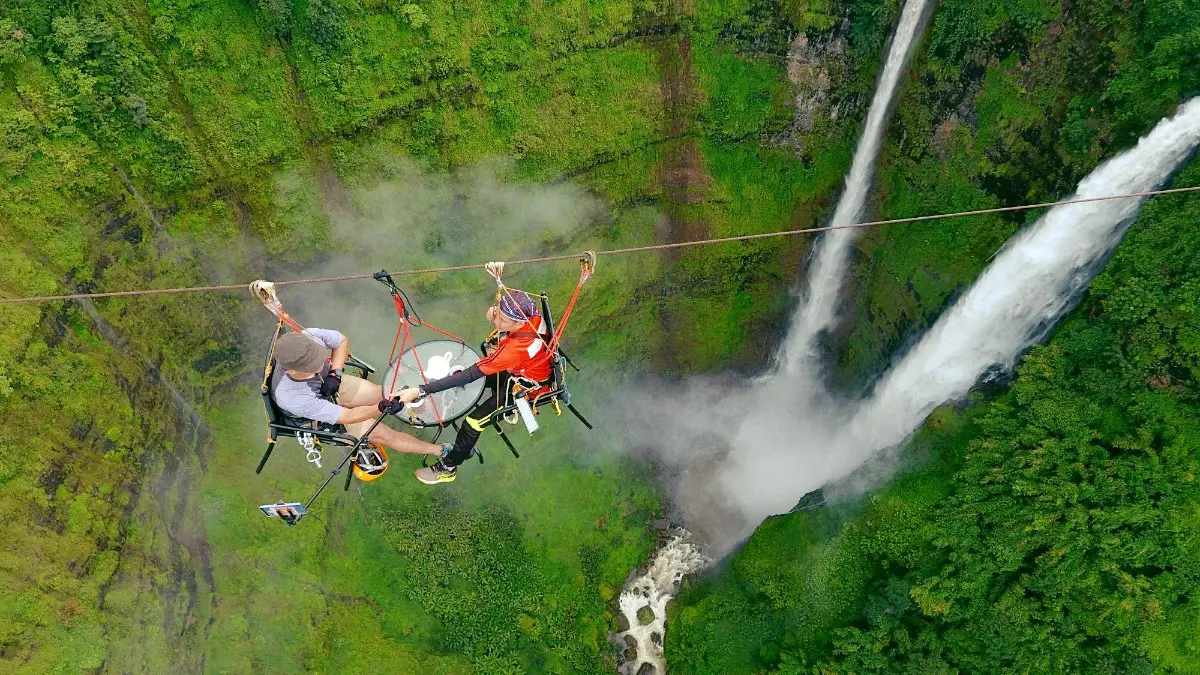
The Bolaven Plateau is famous for its multi-tiered waterfalls, many of which are surrounded by jungle and ethnic villages. Tad Lo is the most accessible, located near the town of Salavan (Saravane). It features two cascades and a suspension bridge; you can swim in the pools below. Tad Etu and Tad E-Tu are twin waterfalls near Paksong, powerful during the rainy season. Tad Hang is a lesser-known gem with a natural swimming hole. Tad Yuang (also spelled Tad Yeung) is a 40-meter drop surrounded by coffee plantations – a short hike leads to both the top and the base. For the adventurous, Tad Saep requires a guide and a trek through the jungle. Each waterfall offers a refreshing escape from the tropical heat.
“The Bolaven Plateau is not a place you rush through. You stop for the coffee, you linger at the waterfalls, and you listen to the stories of the Alak and Katu people. In their weaving and rituals, you hear the oldest voice of this land.” — anthropologist Dr. Thongloun Sisoulith
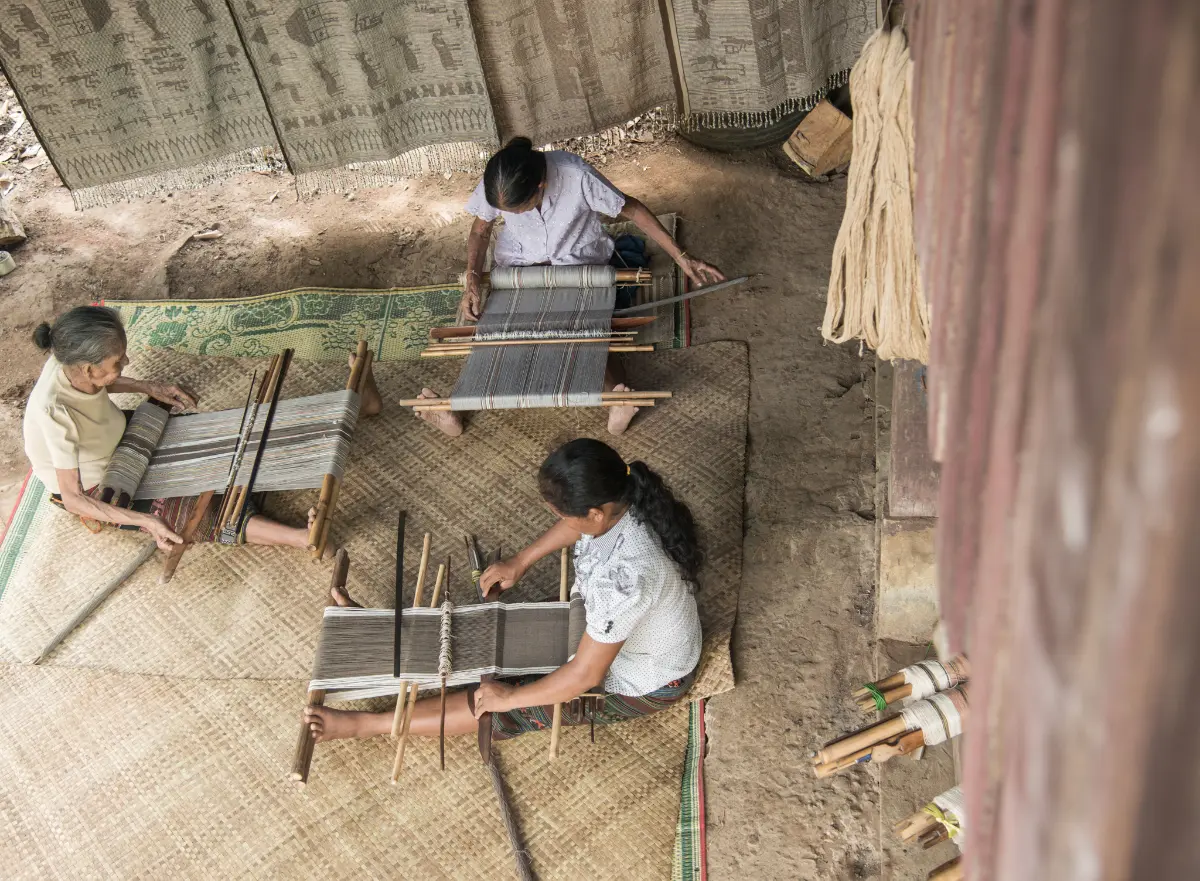
The plateau is home to numerous Mon-Khmer ethnic groups, each with distinct languages, dress, and spiritual practices. Alak villages are known for their thatched longhouses and buffalo-sacrifice ceremonies. Katu women wear distinctive black skirts with red and white beads; their villages often have a “spirit gate” at the entrance. Ta Oy communities practice swidden (slash-and-burn) agriculture and maintain traditional animist beliefs. Visiting these villages requires respect and, ideally, a local guide. The best community-based tourism initiatives can be arranged through the Green Discovery Laos office in Pakse. Homestays are possible in some villages, offering a rare opportunity to share meals and learn traditional weaving or bamboo basket-making.
The Bolaven Plateau is a paradise for trekking and motorbike touring. The classic Bolaven Loop is a 3–4 day motorbike journey starting and ending in Pakse. It passes through Paksong, Tad Lo, Salavan, and Sekong, with side trips to waterfalls and villages. The roads are paved but winding; a sturdy motorbike (125cc or more) is recommended. For trekkers, there are day hikes from Paksong to the Tad Yuang waterfall, or multi-day treks that include homestays in remote Alak villages. Dong Hua Sao National Protected Area covers much of the plateau and is home to elephants, gibbons, and hornbills. Always hire a local guide for off-trail hikes – they know the land and its stories.
Paksong (also called Muang Paksong) is the main town on the plateau, perched at 1,300 meters. It serves as the hub for coffee traders and a base for exploring the southern waterfalls. The town has a fresh morning market, several guesthouses, and a few simple restaurants serving Lao noodle soup and coffee. The Bolaven Plateau Coffee Festival takes place in Paksong every February, featuring tastings, cultural performances, and a coffee competition. From Paksong, you can easily reach Tad Yuang (15 km), Tad Hang (20 km), and the twin waterfalls Tad Etu and Tad E-Tu (25 km).
The Bolaven Plateau is still relatively undeveloped, which is part of its charm. However, that also means waste management and tourism infrastructure are limited. Travelers can make a positive impact by: buying coffee directly from co-operatives (Jhai, Lao Mountain Coffee), hiring local guides from the villages, avoiding single-use plastics, and respecting sacred sites and rituals. The plateau is also one of the most heavily bombed areas from the Secret War (1960s–70s). UXO clearance is ongoing; stay on marked paths and never touch any metal debris. Organizations like UXO Lao provide safety information.
The Bolaven Plateau is not a polished tourist destination – it is a living, working landscape of coffee farmers, waterfall chasers, and resilient ethnic cultures. The mist that rolls over the hills in the morning carries the aroma of roasting beans and the memory of ancient spirits. Whether you come for the adventure, the coffee, or simply to breathe the cool mountain air, the Bolaven will leave you with a sense of discovery that few places can match. Slow down, take the loop, and let the plateau reveal itself to you.
“Have you tasted Bolaven coffee at sunrise, or stood beneath a waterfall in the mist? Share your memory – or let Indochine Chic arrange a custom coffee plantation tour and ethnic village trek.”